Online Gamins Health & Fitness How Dispensary Marihuana Is Changing The Health Chec Industry

How Dispensary Marihuana Is Changing The Health Chec Industry

Just a 10 ago, the idea of walk into a brilliantly lit dispensary and buying cannabis for medical examination purposes seemed futuristic, even polemic. Today, it s a rule part of modern health care for millions of patients. Cannabis dispensaries have evolved far beyond the old stereotypes they are now hubs of breeding, excogitation, and pity. The health chec industry is paid care, and the bear on is indisputable.

From degenerative pain ministration to mental wellness support, cannabis is reshaping the way we view handling, health, and the hereafter of medicate itself. Let s explore how this green gyration is transforming the healthcare landscape.

1. A Natural Alternative to Traditional Pharmaceuticals

One of the biggest shifts driven by marijuana is the move toward cancel, plant-based medicine. Patients who once depended heavily on ethical drug painkillers or sleep out aids are now determination relief through marijuana products with few side personal effects.

Medical dispensaries volunteer a take down of precision that was previously untouchable. Instead of a one-size-fits-all pill, patients can choose from strains, tinctures, edibles, and topicals that target particular symptoms whether it s inflammation, insomnia, anxiety, or neuropathic pain.

This customization empowers patients to take control of their wellness in a way traditional medicine rarely allows. Many populate are turn to marijuana not just because it workings, but because it gives them options options that feel safer, more natural, and often more inexpensive than synthetic pharmaceuticals.

2. Changing How Doctors and Patients Communicate

Dispensary ganja has also transformed the doctor-patient relationship. For years, discussing marijuana use in a medical setting was tabu. Now, doctors are more and more open to recommending or desegregation cannabis into treatment plans.

This change has bucked up more veracious, transparent communication. Patients no thirster feel the need to hide their use or self-medicate in still. Instead, they can talk with healthcare professionals about dosages, interactions, and long-term effects.

The result? Better outcomes and a deeper sense of trust. Medical professionals are even collaborating with dispensaries to empathize cannabinoid skill, production formulations, and dosing preciseness. verilife is no longer seen as an option it s becoming a complementary color furcate of medicine that bridges the gap between nonsubjective handling and holistic health.

3. Personalized Medicine Through Cannabinoid Science

Every somebody s body is different and marihuana embraces that individualism. The science behind cannabinoids like THC, CBD, CBG, and CBN is unlocking new frontiers in personal medicate.

Dispensaries are leading the shoot down in offer trim experiences. They supply lab-tested products with potency information, helping patients find their hone balance of compounds for ministration. Whether it s a CBD-dominant formula for anxiety or a THC-rich extract for prolonged pain, ganja allows for fine-tuned adjustments that traditional drugs simply can t offer.

Some dispensaries even mate with medical examination researchers to develop new formulations targeted at particular conditions like epilepsy, arthritis, PTSD, and cancer-related symptoms. These partnerships are serving bridge the gap between health retail and clinical excogitation an unprecedented step for Bodoni medicine.

4. A Revolution in Pain Management

Perhaps the most unsounded impact of dispensary marijuana is seen in pain direction. For decades, opioids were the monetary standard ethical drug for prolonged pain. While operational, they also sparked an epidemic of addiction and overdose.

Cannabis offers a safer, non-addictive option. Many patients are using it to taper off off opioids or avoid them entirely. Studies show that states with sound medical marihuana programs describe few opioid prescriptions and o.d. deaths.

Dispensaries make this transition accessible by providing expert guidance, dose breeding, and product everything from low-dose tinctures to percutaneous patches. This transfer is not only saving lives but also redefining how bon ton approaches pain ministration and retrieval.

5. Mental Health and Emotional Wellness

The medical checkup benefits of cannabis extend beyond the natural science. Anxiety, depression, PTSD, and sleep out disorders are increasingly being managed with marijuana-based therapies.

Dispensaries are now curating wellness lines premeditated for feeling poise microdose edibles for strain, appeasement CBD vapes for anxiety, and CBN-infused gummies for better sleep in. What s mighty about this curve is its accessibility: people who might have been hesitating to seek medicine medications now have a pacify, set-based option.

The psychological relief provided by cannabis is also reducing brand around unhealthy health treatment. It s helping populate take their well-being seriously without fear of sagaciousness or dependency.

6. Education and Empowerment at the Core

Modern dispensaries are more than retail spaces they are breeding centers. Budtenders and medical consultants play an necessity role in precept patients about dosage, stress types, terpenes, and safe using up methods.

This training empowers patients to make familiar decisions rather than relying blindly on prescriptions. In many ways, dispensaries are redefining what patient role care looks like: approachable, personalized, and vegetable in sympathy the somebody rather than the illness.

The Future of Medicine Is Green

Dispensary ganja has come a long way from its roots. It s now a respected participant in modern healthcare one that promotes balance, personal choice, and holistic healthful. As research expands and regulations evolve, the partnership between dispensaries and the medical checkup manufacture will only grow stronger.

The content is clear: medicate is no yearner confined to uninventive clinics and pill bottles. It s evolving into something more human, more natural, and more inclusive. And ganja is leading that transformation one affected role, one , and one find at a time.
Related Post

The Terminology Of Hands: Discovering The Emotional And Natural Science Benefits Of Rub Down In Unremarkable LifeThe Terminology Of Hands: Discovering The Emotional And Natural Science Benefits Of Rub Down In Unremarkable Life

In a worldly concern often henpecked by digital communication and fast-paced routines, the power of homo touch clay one of the most profound and sanative forms of . Among its many expressions, 부산출장마사지 stands out as an ancient yet continually evolving practise that speaks a universal proposition language the terminology of workforce. Beyond luxuriousness spas and wellness retreats, massage offers deeply rooted emotional and natural science benefits that can importantly raise ordinary life.

A History Written in Touch

Massage is not a Bodoni innovation. Civilizations across the world from Ancient China and India to Greece and Egypt recognised the major power of curative touch. In Ayurveda and Traditional Chinese Medicine, rub down was used not only for natural science ailments but also as a form of vitality balance and emotional therapeutic. Over time, Western medicate has also begun to recognize the physiologic and psychological advantages of fixture massage therapy.

Physical Benefits: Healing Through Human Touch

The most evident profit of knead is physical succour. Whether it’s from degenerative pain, post-exercise soreness, or tautness caused by poor posture, knead can assuage discomfort in a way that few over-the-counter remedies can. Techniques such as Swedish knead, deep tissue therapy, and myofascial release work to better circulation, reduce inflammation, and ease musculus severeness.

Massage also plays a substantial role in the tense system of rules. By stimulative hale receptors under the skin, massage activates the parasympathetic nervous system of rules, causative for the body’s rest-and-digest functions. This can lead in lower heart rate, rock-bottom profligate coerce, and improved unaffected function. For individuals with conditions like fibromyalgia, arthritis, or even hemicrania headaches, massage can ply a non-pharmacological way to wangle symptoms.

Emotional Wellness: A Touch That Soothes the Mind

Perhaps even more unfathomed than its natural science benefits is the feeling bear on of massage. Touch is our first language long before we learn to talk, we empathise the soothe of being held. Massage taps into that key sense of surety and belonging.

Regular rub down has been shown to reduce levels of cortisol, the strain internal secretion, while flared the production of serotonin and dopamine neurochemicals associated with happiness and repose. This organic chemistry response helps why people often report feeling ignitor, calmer, and more emotionally equal after a sitting.

Massage can also help with anxiousness, depression, and psychic trauma. For individuals with emotional pain, safe and remedy touch down can reconnect them to their bodies, offering a feel of foundation and submit-moment sentience that is requirement for emotional remedial.

Everyday Integration: Making Massage a Lifestyle, Not a Luxury

Contrary to commons notion, rub down doesn t need to be restrained for specialized occasions. Short, simple forms of self-massage, better hal knead, or fixture visits to a therapist can all make a important bear upon on well-being. Even five proceedings of hand, neck, or foot massage during a break in the day can reduce tenseness and refocus the mind.

Incorporating rub down into relationships can also nurture closeness and rely. For couples, syndicate members, or caregivers, encyclopaedism staple massage techniques can tone emotional bonds and provide reciprocating care.

The Language That Connects

At its core, rub down is more than just use of muscles it s a negotiation. The hands of the conferrer put across , front, and care, while the body of the receiver responds with release and trust. In this nonverbal exchange lies a form of healing that transcends dustup.

In a earth where disconnect is often just a sneak away, rub down reminds us of something profoundly homo: the need to feel, to connect, and to heal through touch. Whether it s used to unbosom pain, reduce stress, or establish feeling intimacy, the terminology of workforce speaks straight to the soul.

Medication Error How To Prevent Yourself From Adverse Drug EffectsMedication Error How To Prevent Yourself From Adverse Drug Effects

It 39;s a very commons view in our homes that whenever we get ill, we always try to find a simpleton and easy type of solution for that unwellness by our bedside of drugs. If we take an example like when we came back from our work, and it was a pretty hectic day and the warm endure, we usually get a cephalalgia, and we try to find a root of it in a Diclofenac anodyne. But we don 39;t even know that it has attached with a lot of side personal effects(stomach pain, diarrhoea, sickness etc).

Medication Error is the Second highest in damage of checkup wrongdoing occurrences. One of the studies proves that the 5 of all the hospital admissions are due to an harmful drug effect(ADR) and it is the 5th common cause of hospital deaths, these medical checkup malpractice medicinal dru errors caused 197,000 deaths per year in only European countries.

Before going into the main bowl of discourse which is, how can we be able to keep off the medicine errors and what are the bar measures we can take for our wellness and refuge, we must have to know what are medicinal dru errors, types of medication errors and what are the most common and contagious medicinal dru errors we face in our life.

Medication errors relate to errors in processes of ordering, transcribing, dispensing, administering, or monitoring medications. Many medicinal dru errors are cerebration to have no or few consequences for the affected role 39;s wellness but they might results in serious patient role morbidness or mortality rate.

There are three big medication errors which led the patient into a fateful condition and they are dispensing medication errors, administering medicinal dru errors and the prescription medicine errors.

Dispensing Medication Error:

Dispensing errors pass off at any stage of the dispensing work on, from the receipt of the prescription in the pharmaceutics to the ply of a dispensed medicine to the affected role. Dispensing errors fall out at a rate of 1-24 and let in survival of the fittest of the wrongfulness strength or product. This occurs primarily with drugs that have a similar name or appearance.

Approaches to tighten dispensing medicament errors:

Ensuring a safe dispensing subroutine. Separating drugs with a synonymous name or appearance. Keeping interruptions in the dispensing routine to a minimum and maintaining the workload of the pharmacist at a safe and obedient rase. Awareness of high risk drugs such as potassium and cytotoxic agents. Introducing safe systematic procedures for dispensing medicines in the pharmaceutics.

Administration Medication Errors:

Administration errors fall out when a variant occurs between the drug received by the affected role and the drug therapy witting by the prescriber. Medication presidency errors largely ask errors of skip where the drug is not administered for a variety of reasons. Other types of errors admit an improper presidential term proficiency and the presidential term of inaccurate or terminated preparations.

Approaches to reduce medicine presidency errors:

Checking the affected role 39;s personal identity. Ensuring that dose calculations are curbed severally by another health care professional person before the drug is administered. Ensuring that the ethical drug, drug, and patient role are in the same target in tell that they may be curbed against one another. Ensuring the medicament is given at the time. Minimizing interruptions during drug rounds.

Prescription Laboratory Online Medicines by Mailbox Errors:

Medical prescriptions are also very world-shaking, when we talk about medicine errors. Almost 70 medicinal dru errors are born due to the prescription errors.

Approaches to reduce prescription medicament wrongdoing:

Tell your doctor that, to avoid the use of abbreviations, the abbreviations have been base to be particularly chanceful because they have been consistently ununderstood. Prescription enjoin should include a brief annotation of resolve(for example, for cough up), this can further insure that the proper medication is dispensed and creates an spear carrier refuge in the work on. All prescriptions made by doctors or physicians must remark the patients age and weight on the medication say. The age and weight of a affected role can help dispensing health care professionals in double-check of the appropriate drug and dose. Medication orders must not let in vague instructions such as quot;Take as directed quot; or quot;Take Use as necessary quot; as the sole direction of medicine use. Clear directions are requisite for the to: the specific dose for the patient and it also enables affected role counseling probability. The medicament tell must let in drug name, exact system of measurement angle, or and dose form. It helps the pill rolle to check either the information is missing or confutative.

Concluding Remarks:

As we all know the renowned idiomatic doom that quot;Prevention is better than cure quot;, is really an important factor in when we are discussing issues like medicine errors. Medication errors are one of the most preventable causes of patient injury. There are a number of factors at each step of the patient role care process that put up to the high rate of medicament errors in the healthcare industry. Special focus should be given to the prescription drug and presidency phases of patient role care due to the vauntingly total of errors half-track back to those stages of treatment.

Medical Beauty: The Fusion of Aesthetics and ScienceMedical Beauty: The Fusion of Aesthetics and Science

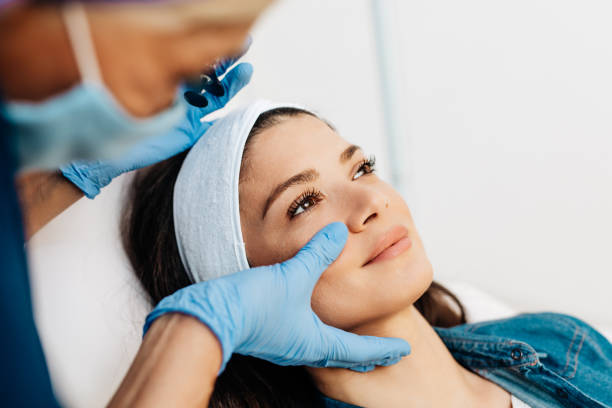
In recent years, the world of beauty and wellness has evolved, with one of the most exciting trends being the rise of medical beauty. This innovative field combines the expertise of medical professionals with the desire for aesthetic enhancement, offering individuals effective, non-invasive treatments to improve their appearance and boost their confidence. But what exactly is medical beauty, and how does it work? Let’s explore this fascinating industry and its growing popularity.

What Is Medical Beauty?

Medical beauty, often referred to as aesthetic medicine, is a branch of medicine that focuses on enhancing or altering the appearance of individuals through non-surgical treatments. Unlike traditional beauty treatments such as facials or massages, medical beauty involves procedures that require the expertise of medical professionals such as dermatologists, plastic surgeons, or specially trained aestheticians.

The treatments in medical beauty are typically minimally invasive, meaning they don't require major surgery or long recovery periods. These procedures use advanced technology and techniques to address a wide range of skin concerns and enhance facial features, helping people look and feel their best.

Popular Treatments in Medical Beauty

Medical beauty encompasses a broad range of treatments that cater to various aesthetic goals. Here are some of the most popular procedures:

  1. Botox and Dermal Fillers

    • Botox, a purified form of botulinum toxin, temporarily relaxes muscles to reduce the appearance of wrinkles and fine lines, particularly around the eyes, forehead, and mouth. It works by blocking nerve signals, preventing muscle contraction.
    • Dermal fillers, on the other hand, are used to restore volume to areas such as the cheeks, lips, and under-eye region. They can also smooth out deep wrinkles and scars by filling in hollow or sunken areas with substances like hyaluronic acid.
  2. Laser Treatments

    • Lasers have revolutionized aesthetic medicine, with treatments like laser skin resurfacing, hair removal, and tattoo removal becoming increasingly popular. Laser skin resurfacing can address skin concerns such as acne scars, sun damage, and wrinkles by removing damaged layers of skin and promoting collagen production.
    • Laser hair removal uses focused light to target hair follicles, preventing future hair growth. It offers a long-term solution to unwanted hair compared to traditional methods like shaving and waxing.
  3. Chemical Peels

    • A chemical peel involves applying a solution to the skin that exfoliates the outer layers, revealing smoother, brighter skin underneath. It is often used to treat acne, uneven pigmentation, and signs of aging.
  4. Microneedling

    • Microneedling uses tiny needles to create micro-injuries in the skin, stimulating the body’s natural healing response. This procedure is popular for improving skin texture, reducing scars, and promoting collagen production, making it effective for treating acne scars and fine lines.
  5. Fat Reduction Treatments

    • Non-invasive fat reduction procedures, such as CoolSculpting or SculpSure, use controlled cooling or heat to target and eliminate stubborn fat cells in areas like the abdomen, thighs, and arms, resulting in a slimmer, more toned appearance without surgery.
  6. PRP (Platelet-Rich Plasma) Therapy

    • PRP therapy involves drawing a small amount of the patient’s blood, processing it to concentrate the platelets, and injecting the PRP into areas of the skin or scalp. It is commonly used for hair restoration and skin rejuvenation, as it helps stimulate collagen production and promotes healing.

Benefits of Medical Beauty

  1. Non-Surgical Solutions

    • One of the key attractions of medical beauty is that many of the treatments are non-invasive. This means there’s no need for significant downtime or the risks associated with surgery. Patients can typically resume their normal activities shortly after treatment.
  2. Customizable Treatments

    • Medical beauty offers personalized solutions tailored to each individual’s needs. Whether someone is looking to address fine lines, pigmentation issues, or volume loss, a professional can recommend a treatment plan that best suits their unique goals.
  3. Quick Results

    • Many treatments in medical beauty offer immediate or noticeable results, making it an appealing option for those who want to see improvements without waiting for long periods. For example, Botox results are typically visible within a few days, while dermal fillers can provide instant volume restoration.
  4. Long-Lasting Effects

    • Unlike traditional beauty treatments that may only provide short-term results, medical beauty procedures offer more durable outcomes. For example, Botox can last for several months, and the effects of fat reduction treatments can be permanent, provided the patient maintains a healthy lifestyle.

The Future of Medical Beauty

As technology continues to advance, medical ultherapy 效果 is expected to become even more innovative. New treatments, enhanced technologies, and more sophisticated equipment are emerging, allowing practitioners to offer even more effective and personalized solutions. Artificial intelligence (AI) and 3D imaging are already being used in some clinics to plan and customize treatments based on the patient’s individual anatomy.

Additionally, with the growing demand for non-invasive and minimally invasive procedures, medical beauty is likely to continue to shift away from traditional surgery, allowing individuals to achieve their desired appearance with fewer risks and less downtime.

Conclusion

Medical beauty represents a revolution in how people approach aesthetic enhancement, combining the art of beauty with the science of medicine. With a wide array of non-surgical treatments that offer quick, effective, and customizable results, it’s no wonder that more and more individuals are turning to medical beauty to improve their appearance and boost their confidence. As the field continues to evolve, it promises to provide even more exciting options for those seeking to look and feel their best.

How Autism Treatment Plans Are Personalized For Kids?How Autism Treatment Plans Are Personalized For Kids?

Every child with autism carries a unique story, a singular rhythm of growth, curiosity, and challenge. A one-size-fits-all approach simply cannot capture that individuality. That’s why personalized autism treatment plans have become the cornerstone of effective care—crafted with precision to meet not only clinical needs but also the emotional and social dimensions of a child’s life. Imagine a plan where communication exercises intertwine with creative play, where structured routines coexist with gentle flexibility, and where families become integral partners in progress. This isn’t theory; it’s a transformative practice shaping brighter outcomes every day.

For parents, the journey often begins with uncertainty, yet hope quickly emerges when tailored strategies reveal measurable breakthroughs—whether in language development, social interaction, or self-confidence. Approaches such as Autism behavioral therapy Canada offer structured interventions grounded in science, but adapted with a compassionate understanding of each child’s personality and pace. The result is a roadmap that doesn’t just manage symptoms, but nurtures potential.

Why Personalization Matters in Autism Treatment

Every child with autism has a unique developmental profile. Some may be highly verbal but struggle with social cues, while others may be nonverbal yet display strong visual-spatial skills. Because of this diversity, autism treatment plans cannot follow a “one-size-fits-all” template.

Key Reasons for Personalization

  1. Variability in Symptoms – Autism is a spectrum, with children experiencing varying levels of sensory sensitivities, communication challenges, and behavioral differences.

  2. Individual Strengths – Some children excel in art, math, or music. Treatment plans should leverage these strengths.

  3. Co-Occurring Conditions – Many children with autism also experience ADHD, anxiety, or learning disabilities. Personalized care ensures these are addressed.

  4. Family Goals – Parents’ aspirations, cultural values, and daily routines influence treatment design.

When personalization is at the core, treatment isn’t just therapy—it becomes a bridge to independence, happiness, and growth.

The Building Blocks of Personalized Autism Treatment Plans

A personalized autism treatment plan usually combines several evidence-based therapies. Each child may need a different mix, frequency, and approach depending on their needs.

Comprehensive Evaluation

The personalization process begins with a detailed assessment by developmental pediatricians, psychologists, and therapists. This includes:

  • Medical history and genetic background

  • Cognitive and developmental testing

  • Communication assessments

  • Behavioral observations

  • Parent interviews

This information forms the foundation for a tailored plan.

Core Components of Personalized Autism Treatment

1. Applied Behavior Analysis (ABA)

ABA is one of the most widely recognized therapies. It breaks down skills into small, teachable steps. Personalized ABA programs adjust the intensity, focus, and teaching methods to suit the child.

  • Example: One child may need ABA for social interaction, another for daily living skills.

  • Why personalized: The reinforcement strategies and goals differ from child to child.

2. Speech and Language Therapy

Communication challenges are central to autism. Personalized speech therapy can include:

  • Augmentative and Alternative Communication (AAC) devices for nonverbal children.

  • Social communication training for those who speak but struggle with pragmatics.

Keyword example: Many families incorporate autism treatment plans with speech therapy to improve daily communication.

3. Occupational Therapy (OT)

OT helps children with fine motor skills, self-care, and sensory regulation. Personalized OT considers:

  • Sensory integration challenges (e.g., hypersensitivity to noise or textures).

  • Daily living goals such as dressing, eating, or handwriting.

4. Social Skills Training

Peer interaction can be challenging. Personalized programs may involve:

  • One-on-one practice with therapists.

  • Group sessions with peers to rehearse real-world scenarios.

5. Parent and Family Training

Families are integral to success. Personalized plans provide coaching so parents can reinforce strategies at home.

Holistic and Alternative Supports

While evidence-based therapies are core, many parents explore complementary supports:

  • Music therapy – Uses rhythm and melody to enhance communication and focus.

  • Art therapy – Encourages self-expression and emotional regulation.

  • Animal-assisted therapy – Interactions with dogs or horses reduce anxiety and increase engagement.

  • Mindfulness and relaxation – Help older children manage stress.

A personalized plan may combine traditional therapies with holistic options, as long as they align with clinical goals.

How Personalization Evolves Over Time

Children grow, and so do their needs. A plan that works at age three will look different at age ten.

Early Intervention (Ages 2–5)

  • Focus: language, basic social skills, reducing challenging behaviors.

  • Intensity: often 20–40 hours of therapy per week.

  • Parent involvement: crucial at this stage.

School-Age Years (6–12)

  • Focus: academic support, peer interaction, independence.

  • Adjustments: therapy may shift to school-based programs.

  • Personalized goals: homework routines, friendships, managing transitions.

Adolescence (13–18)

  • Focus: self-advocacy, emotional regulation, vocational skills.

  • New challenges: puberty, anxiety, and identity development.

  • Plans may include career counseling and social-emotional learning.

Transition to Adulthood

  • Focus: independence, higher education, job skills.

  • Personalized planning includes supported employment, college accommodations, and community living.

The Role of Families in Personalized Autism Treatment

Parents and caregivers are not just participants—they’re collaborators. Treatment plans succeed when families:

  • Share detailed insights about their child’s behaviors and preferences.

  • Advocate for therapies that fit their child’s needs.

  • Practice strategies at home consistently.

A truly personalized plan reflects not just clinical expertise but also the lived experience of families.

Overcoming Challenges in Personalization

While personalization is ideal, families often face hurdles:

  • Insurance limitations – Not all therapies are covered.

  • Access to services – Rural areas may lack specialists.

  • Financial strain – Out-of-pocket costs can be high.

  • Time management – Balancing therapy with school and family life is demanding.

Despite these barriers, creative solutions—telehealth, school partnerships, community resources—can make personalization possible.

Case Studies: How Personalization Changes Lives

Case Study 1: The Nonverbal Communicator

Liam, age 5, was nonverbal but showed interest in technology. His autism treatment plan included AAC device training through speech therapy, plus OT for fine motor skills. Within a year, Liam began using his device to request food, greet family members, and share emotions.

Case Study 2: The Socially Anxious Teen

Maya, age 14, had strong academics but struggled with friendships. Her plan focused on social skills groups, CBT (Cognitive Behavioral Therapy), and parent coaching. Today, she confidently participates in drama club and is preparing for college.

These stories highlight the transformative power of personalization.

Action Steps for Parents

If you’re exploring autism treatment plans, here are steps to take:

  1. Seek a comprehensive evaluation – Start with professionals who specialize in autism.

  2. Set clear goals – Define short-term and long-term priorities with your care team.

  3. Involve your child – As they grow, let them express preferences in their plan.

  4. Monitor progress – Regularly review and adjust the plan.

  5. Explore resources – Join parent groups, consult with schools, and learn about funding options.

Conclusion

Personalized autism treatment plans are more than therapy schedules—they are blueprints for helping children discover their potential. By recognizing every child’s individuality, tailoring support to their strengths and challenges, and involving families every step of the way, these plans pave the way for brighter futures.

Personalization doesn’t just treat autism—it transforms lives.

What is Behavior Analysis Therapy Based On?What is Behavior Analysis Therapy Based On?

Imagine being able to understand human behavior so deeply that you can predict, guide, and transform it for better outcomes. For children with autism, individuals struggling with developmental delays, or even those seeking behavior modification, Behavior Analysis Therapy has emerged as one of the most effective solutions.

Known formally as Applied Behavior Analysis (ABA), this therapeutic approach has gained recognition worldwide for its structured, evidence-based techniques. Whether you’ve heard of ABA therapy Canada programs or seen success stories in the United States, the impact of this therapy is undeniable. But what exactly is behavior analysis therapy based on?

If you’re a parent, educator, or healthcare professional searching for reliable ways to support behavioral growth, communication skills, and independence, understanding the foundations of behavior analysis therapy is crucial. This therapy isn’t guesswork—it’s built on decades of scientific research, psychology principles, and real-world applications.

In this guide, we’ll break down the roots, principles, methods, and applications of behavior analysis therapy. By the end, you’ll know exactly how it works, why it’s effective, and how ABA therapy Canada programs are transforming lives.


What is Behavior Analysis Therapy?

Behavior Analysis Therapy, often referred to as Applied Behavior Analysis (ABA), is a therapeutic approach that focuses on improving specific behaviors such as social skills, communication, reading, and academics, as well as adaptive learning skills like hygiene, fine motor dexterity, grooming, and domestic capabilities.

Unlike traditional therapy, ABA doesn’t just “talk through” issues. Instead, it systematically studies behavior and uses proven interventions to bring about positive change.

At its core, behavior analysis therapy is based on learning theories and the principles of operant conditioning—ideas rooted in the psychology of how behavior is shaped by the environment.


The Foundations of Behavior Analysis Therapy

B.F. Skinner and Behaviorism

The roots of behavior analysis therapy trace back to B.F. Skinner, a renowned psychologist and the father of modern behaviorism. His groundbreaking work on operant conditioning demonstrated that behaviors could be strengthened or weakened based on reinforcement and punishment.

For example:

  • If a child receives praise for saying “please,” they’re more likely to repeat the behavior.

  • If touching a hot stove results in pain, the behavior is unlikely to be repeated.

This principle—that behavior is learned and influenced by environmental factors—is the backbone of ABA therapy.

Learning Theory in Practice

The therapy assumes that all behavior, whether desirable or not, is learned. Since behavior is learned, it can also be unlearned or reshaped. This idea gives ABA its power to help children with autism develop skills and reduce problematic behaviors.


Core Principles of Behavior Analysis Therapy

1. Positive Reinforcement

Reinforcement is the cornerstone of ABA. When a desired behavior is followed by a reward, that behavior is more likely to occur again.

Example: Giving a child a sticker when they complete their homework encourages them to keep doing it.

2. Antecedent, Behavior, Consequence (ABC Model)

The ABC model helps therapists analyze behavior by breaking it into three parts:

  • Antecedent: What happens before a behavior.

  • Behavior: The behavior itself.

  • Consequence: What happens after the behavior.

This analysis helps identify triggers and outcomes, providing insight into how to change behavior.

3. Data-Driven Decisions

Every strategy in ABA therapy is based on measurable data. Progress is tracked meticulously to ensure interventions are effective.

4. Individualized Plans

No two people are alike. ABA is highly personalized, with therapy plans tailored to an individual’s strengths, challenges, and goals.


What is Behavior Analysis Therapy Used For?

Autism Spectrum Disorder (ASD)

ABA is most commonly associated with autism treatment. Programs like ABA therapy Canada focus on helping children with ASD improve communication, social interaction, and daily living skills.

Developmental Delays

Children with other developmental challenges benefit from ABA’s structured teaching methods.

Behavioral Challenges

From tantrums to aggression, ABA techniques help reduce harmful or disruptive behaviors.

Skill Building

ABA doesn’t just reduce unwanted behaviors—it builds positive ones. For example, teaching life skills such as brushing teeth, tying shoes, or ordering food.


Methods and Techniques in Behavior Analysis Therapy

Discrete Trial Training (DTT)

One of the most common ABA methods, DTT breaks skills into small, manageable steps, teaching them one at a time.

Natural Environment Training (NET)

Unlike DTT, this method teaches skills in real-life situations, making them easier to generalize.

Task Analysis

Complex tasks are broken down into smaller steps. Each step is taught and reinforced until the full task can be completed independently.

Prompting and Fading

Therapists provide prompts (verbal, physical, or visual cues) to encourage correct behavior, then gradually fade them out to build independence.

Generalization

Skills must transfer beyond the therapy room. ABA emphasizes applying learned behaviors across settings, people, and situations.


How Behavior Analysis Therapy Works in Practice

Step 1: Assessment

Therapists conduct a detailed behavioral assessment to understand strengths, challenges, and triggers.

Step 2: Goal Setting

Personalized goals are set—such as improving speech, reducing tantrums, or enhancing social skills.

Step 3: Intervention Plan

A treatment plan is designed using evidence-based ABA techniques.

Step 4: Data Collection

Progress is tracked daily to see if interventions are effective.

Step 5: Adjustment

Plans are modified as needed, ensuring constant improvement.


Misconceptions About Behavior Analysis Therapy

“ABA is too rigid.”

While early forms of ABA were structured, modern approaches emphasize flexibility, natural environments, and fun activities.

“ABA is only for autism.”

Though widely used for autism, ABA also benefits individuals with ADHD, learning disabilities, and even adults seeking behavior modification.

“ABA uses punishment.”

Modern ABA focuses primarily on positive reinforcement, not punishment.


Benefits of Behavior Analysis Therapy

Proven Results

Decades of research confirm ABA’s effectiveness, especially for autism treatment.

Independence and Confidence

Children gain practical skills for daily life, boosting independence and self-esteem.

Family Involvement

Parents are trained to use ABA techniques at home, ensuring consistent progress.

Long-Term Success

Skills learned through ABA often last a lifetime.


ABA Therapy in Canada: A Growing Field

In recent years, ABA therapy Canada programs have expanded significantly. With government support, non-profits, and private clinics, Canadian families are gaining more access to evidence-based treatment for autism and related disorders.

Accessibility Challenges

Despite growth, many families face long waitlists and high costs. Advocacy efforts continue to push for more funding and accessible ABA services across provinces.

Success Stories

From Toronto to Vancouver, countless families report transformative changes thanks to ABA therapy Canada programs—highlighting the therapy’s global relevance.


The Future of Behavior Analysis Therapy

With advances in neuroscience, artificial intelligence, and digital health tools, ABA is evolving. Remote therapy sessions, apps for data collection, and virtual parent training are making behavior analysis more accessible than ever.

As awareness grows, therapies like ABA therapy Canada are expected to become even more widespread, offering hope and opportunity to countless families.


Conclusion

Behavior analysis therapy is not just another form of treatment—it’s a scientifically grounded, life-changing approach to improving behavior, communication, and independence. Built on the principles of behaviorism, reinforcement, and data-driven strategies, ABA has proven effective for autism and beyond.

From the foundational work of B.F. Skinner to modern applications in schools, clinics, and homes worldwide, ABA continues to shape lives for the better. Whether you’re exploring ABA therapy Canada or seeking options elsewhere, understanding what behavior analysis therapy is based on gives you the clarity to make informed choices.

At its heart, behavior analysis therapy is based on the belief that every individual—regardless of challenges—can learn, grow, and thrive with the right support.