Online Gamins Health & Fitness Exercises That Increases Stamina For Sports

Exercises That Increases Stamina For Sports

Unlocking peak athletic performance isn’t just about talent—it’s about cultivating stamina that propels you beyond limits. Every athlete dreams of that elusive edge, the energy that sustains explosive sprints, marathon endurance, and unwavering focus during grueling matches.

The secret lies in targeted, high-impact exercises that increase stamina for sports, transforming your body into a powerhouse of resilience and agility. From interval training that ignites your cardiovascular system to strength circuits that fuse endurance with muscle power, these workouts push boundaries while sharpening mental fortitude. Imagine breezing through the final quarter of a match, feeling unstoppable, fueled not only by rigorous training but also by innovations like Super Tadapox Tablets Tadalafil and Dapoxetine, enhancing energy and focus.

The road to superior stamina is a thrilling journey of discipline, strategy, and calculated effort—each session sculpting both body and willpower. Whether you’re an aspiring professional or a weekend warrior, mastering these exercises ensures that fatigue becomes a distant memory, replaced by explosive endurance, laser-sharp concentration, and the kind of physical excellence that turns heads. Step into this guide and discover how every movement can elevate your sports stamina to unprecedented heights.

Understanding Stamina and Its Role in Sports

Before we jump into exercises, it’s crucial to understand what stamina actually means in the context of sports. Stamina is the ability of your body to sustain prolonged physical activity. It encompasses two key components:

  1. Cardiovascular endurance – How efficiently your heart and lungs supply oxygen to your muscles during extended activity.

  2. Muscular endurance – How long your muscles can perform repetitive actions without fatigue.

When these two systems work synergistically, athletes can maintain peak performance throughout games or workouts without premature exhaustion. Improving stamina isn’t just about running longer; it’s about optimizing your energy systems, building resilience, and training smart.

Why stamina matters in sports:

  • Enhances overall sports performance by sustaining energy throughout competition.

  • Reduces the risk of injury caused by fatigue-related mistakes.

  • Boosts recovery time between high-intensity bouts.

  • Supports mental clarity and focus during prolonged activities.

Top Exercises That Increase Stamina for Sports

Improving stamina requires a multi-faceted approach combining cardio workouts, strength training, and sport-specific drills. Let’s break them down systematically.

1. High-Intensity Interval Training (HIIT)

HIIT involves alternating short bursts of intense activity with periods of rest or low-intensity movement. It’s one of the most efficient methods to improve cardiovascular endurance and overall stamina.

How HIIT Boosts Stamina:

  • Pushes your cardiovascular system to adapt quickly.

  • Enhances anaerobic capacity, allowing you to sustain high-intensity efforts longer.

  • Burns fat efficiently, which supports lean muscle and energy reserves.

Sample HIIT Routine:

  • Warm-up: 5 minutes of jogging or dynamic stretches.

  • Sprint for 30 seconds at maximum effort.

  • Walk or jog for 1 minute.

  • Repeat for 10–15 rounds.

  • Cool down: 5 minutes of light jogging and stretching.

Consistency with HIIT can dramatically improve your capacity to maintain high energy levels in sports that demand explosive efforts, such as soccer, basketball, and tennis.

2. Endurance Running

Long-distance running remains a cornerstone for building cardiovascular stamina. It strengthens your heart, improves lung efficiency, and conditions your muscles for prolonged activity.

How to Maximize Running for Stamina:

  • Steady-State Runs: Jog at a consistent pace for 30–60 minutes. Focus on maintaining moderate intensity.

  • Tempo Runs: Run at a challenging pace slightly below your maximum effort for 20–30 minutes.

  • Fartlek Training: Mix sprints with slower recovery runs to simulate the variable intensity of most sports.

Running regularly not only increases stamina, but it also enhances mental toughness—a critical factor in competitive sports.

3. Cycling and Rowing

Cycling and rowing are low-impact exercises that promote endurance without excessive stress on joints. Both are excellent for cardio workouts and building lower-body and core muscular endurance.

Benefits for Sports Stamina:

  • Strengthens leg muscles, enhancing explosive power for sports like soccer and basketball.

  • Improves aerobic capacity and oxygen delivery to muscles.

  • Provides a safe alternative for athletes recovering from injury.

Sample Cycling/Rowing Workout:

  • Warm-up: 5–10 minutes at an easy pace.

  • Interval: 1 minute of intense effort, 2 minutes of light cycling/rowing. Repeat 10–12 times.

  • Cool down: 5 minutes of gentle pedaling or rowing.

4. Plyometric Exercises

Plyometrics involve explosive movements designed to increase power, agility, and muscular endurance. Sports such as volleyball, basketball, and track sprinting benefit greatly from these exercises.

Common Plyometric Movements:

  • Box jumps

  • Jump squats

  • Burpees

  • Lateral bounds

Plyometric training improves stamina by conditioning fast-twitch muscle fibers to sustain repeated, powerful movements without early fatigue.

5. Circuit Training

Circuit training combines strength training and cardio workouts in a sequence of exercises with minimal rest. It targets multiple muscle groups while keeping the heart rate elevated, improving both muscular and cardiovascular endurance simultaneously.

Sample Circuit:

  1. Push-ups – 15 reps

  2. Squats – 20 reps

  3. Jump rope – 1 minute

  4. Plank – 45 seconds

  5. Dumbbell Rows – 12 reps per arm

  6. Rest – 1 minute

  • Repeat for 3–5 circuits

This approach not only increases stamina, but also promotes functional strength that translates directly to sports performance.

6. Swimming

Swimming is an exceptional full-body exercise that builds both cardiovascular endurance and muscular stamina. It engages the arms, legs, and core while challenging the lungs due to controlled breathing patterns.

Key Swimming Drills:

  • Interval Laps: Alternate sprint laps with slower recovery laps.

  • Kickboard Drills: Focus on leg endurance.

  • Pull Buoy Drills: Focus on upper-body strength and endurance.

Swimming regularly conditions your heart and muscles to work efficiently under prolonged exertion, which is crucial for stamina in sports like triathlons and water polo.

7. Strength Training for Stamina

Building muscle isn’t just about aesthetics—it’s crucial for muscular endurance. Resistance training enhances the ability of muscles to perform repeated contractions without fatigue.

Key Strength Training Principles:

  • High Reps, Low Weight: 12–20 reps with moderate resistance to build endurance.

  • Compound Movements: Squats, deadlifts, push-ups, and pull-ups recruit multiple muscle groups, improving efficiency and stamina.

  • Functional Training: Use kettlebells, medicine balls, and resistance bands to mimic sport-specific movements.

By incorporating strength training, athletes can delay the onset of fatigue, allowing them to maintain a high level of sports performance for longer periods.

8. Agility and Functional Drills

Stamina isn’t only about cardiovascular and muscular endurance—it also involves the ability to perform sport-specific movements efficiently. Agility drills enhance stamina by reducing wasted energy during rapid directional changes.

Examples:

  • Ladder drills for foot speed

  • Cone drills for sharp cuts and pivots

  • Shuttle runs for short bursts of intense effort

Functional drills simulate game conditions, preparing the body to sustain high-intensity movements over time.

9. Yoga and Mobility Work

Flexibility and mobility contribute indirectly to stamina by enhancing movement efficiency and reducing the risk of injury. Yoga also improves breathing control, which supports cardiovascular endurance.

Recommended Practices:

  • Sun Salutations to build dynamic endurance

  • Core-focused poses like Plank and Boat Pose

  • Breath control exercises (Pranayama) to enhance lung capacity

Integrating yoga and mobility work ensures that your body can sustain high-intensity activity with reduced energy wastage.

Sample Weekly Stamina Training Plan

Here’s a practical plan to integrate all these exercises for maximal results:

Day Activity Focus
Monday HIIT + Core Workouts Cardiovascular + Core
Tuesday Strength Training (Full Body) Muscular Endurance
Wednesday Swimming or Cycling Low-Impact Cardio
Thursday Plyometric + Agility Drills Power & Agility
Friday Circuit Training Total Body Stamina
Saturday Long-Distance Run or Tempo Run Endurance
Sunday Yoga & Recovery Flexibility & Mobility

Consistency is key. By alternating between cardio workouts, strength training, and sport-specific drills, athletes can systematically build stamina across multiple systems.

Nutrition and Recovery for Stamina

Building stamina isn’t just about exercise. Recovery and nutrition play an equally critical role:

  • Hydration: Proper hydration maintains energy levels and prevents fatigue.

  • Balanced Diet: Include complex carbohydrates, lean proteins, and healthy fats to fuel prolonged activity.

  • Sleep: Aim for 7–9 hours per night to support muscle recovery and hormonal balance.

  • Active Recovery: Light swimming, walking, or yoga aids muscle repair and prevents burnout.

Ignoring recovery can negate the benefits of even the most rigorous stamina exercises.

Mental Stamina and Focus

Endurance is not purely physical; mental resilience is equally important. Techniques like visualization, goal setting, and mindfulness can help athletes maintain high performance under fatigue.

  • Visualization: Mentally rehearse game scenarios to prepare your mind for sustained effort.

  • Mindfulness and Meditation: Reduce stress and improve focus during prolonged activity.

  • Goal-Oriented Training: Break down workouts into achievable milestones to maintain motivation.

Mental stamina complements physical training, ensuring that your sports performance remains consistent.

Conclusion

Improving stamina for sports is a holistic journey. It involves a strategic blend of cardio workouts, strength training, plyometric exercises, and sport-specific drills. Combining these with proper nutrition, recovery, and mental focus transforms your endurance, allowing you to excel in any athletic endeavor.

By committing to a structured plan, challenging your limits, and incorporating variety into your workouts, you can dramatically increase your stamina, prevent injury, and maintain high-level sports performance throughout the season. Remember, stamina is not innate—it’s earned, one workout at a time.

The exercises and principles outlined in this guide provide a roadmap for athletes of all levels to unlock their potential. Whether you’re aiming for elite competition or personal fitness goals, implementing these strategies will ensure that fatigue never dictates your performance. Stamina is your ultimate competitive advantage—train it, protect it, and watch your athletic capabilities soar.
Related Post

Dispensary Cannabis How to Identify Quality BudsDispensary Cannabis How to Identify Quality Buds

Walking into a gmo strain dispensary for the first time can feel like stepping into a wonderland of colors, aromas, and textures. Shelves lined with neatly trimmed flower, glass jars showcasing vibrant hues, and the unmistakable aroma of cannabis can excite both beginners and seasoned users alike. But amid all this, how do you know you’re picking high-quality buds rather than just shiny packaging?

Identifying quality cannabis requires a mix of observation, knowledge, and a little bit of intuition. High-quality buds not only deliver a better experience but also indicate careful cultivation and proper handling. Here’s a comprehensive guide to help you select the best cannabis every time.

1. Look for Vibrant Colors

One of the first things you’ll notice when examining cannabis is its color. Quality buds are usually rich and vibrant, often a bright green with hints of purple, orange, or even pink, depending on the strain.

Avoid buds that look brown, yellowed, or dull — these are signs of poor curing, old stock, or improper storage. While color alone isn’t everything, vibrant hues generally suggest healthy growth and proper harvesting.

2. Examine the Trichomes

Trichomes are tiny, crystal-like structures that cover the surface of cannabis buds. These are the little powerhouses that contain THC, CBD, and aromatic terpenes.

High-quality cannabis should appear frosty or sparkly, a sign of abundant trichomes. If a bud looks sparse, dry, or lacks these crystals, it may have lower potency or poor flavor. Using a magnifying glass or even your smartphone camera can help you get a closer look at trichome density and quality.

3. Check for Proper Trim and Structure

A well-trimmed bud is a sign of care and attention. Quality buds are dense, compact, and free of excess leaves or stems. Fluffy, poorly manicured buds may indicate rushed cultivation or careless handling.

Additionally, the structure of the bud can tell you something about the strain. Indicas tend to have tight, dense buds, while Sativas are usually lighter and airier. Hybrids may fall somewhere in between. Either way, proper trimming enhances both appearance and smoking quality.

4. Feel the Texture

Touch is another reliable way to assess cannabis quality. Gently squeeze the bud — it should feel slightly sticky and springy, not wet or overly dry.

Dry, crumbly buds may have lost potency or aroma, while overly moist buds risk mold growth. Stickiness is a good indicator of resin content, which is directly related to potency and flavor.

5. Smell for Aroma and Terpenes

The aroma of cannabis is one of its most telling characteristics. High-quality buds are rich in fragrance, often described as earthy, piney, citrusy, or fruity, depending on the strain.

Avoid buds with a hay-like or musty smell, which can indicate poor curing or mold. Terpene-rich buds not only smell amazing but also enhance the overall experience, influencing mood, relaxation, and even creativity.

6. Observe for Pests or Mold

Careful inspection is essential for safety. Check the bud for any signs of pests, webbing, or mold. Mold often appears as white or gray fuzzy spots, while pests might leave behind tiny dark specks.

Quality dispensaries test their cannabis in labs for contaminants, but a visual check is always a good practice. High-quality buds should be clean, healthy, and free of any unwanted visitors.

7. Pay Attention to Curing and Storage

Properly cured cannabis maintains its potency, aroma, and smoothness. Well-cured buds will burn evenly and taste flavorful, whereas improperly cured flower may taste harsh, burn unevenly, or feel rough on the throat.

Check if the dispensary stores buds in airtight jars or containers away from light. Exposure to air, heat, or UV light can degrade cannabinoids and terpenes, reducing quality over time.

8. Consult Budtenders and Reviews

Finally, don’t underestimate the value of human advice. Experienced budtenders can guide you toward quality products based on your preferences and needs. Additionally, online reviews or customer feedback can offer insights into potency, flavor, and overall satisfaction.

A little research combined with hands-on inspection ensures that you’re making informed choices rather than relying solely on packaging.

Final Thoughts

Selecting quality cannabis buds is part science, part art. By observing color, trichomes, structure, texture, aroma, and cleanliness, you can confidently pick buds that deliver both potency and a pleasurable experience. Properly cured and handled flower isn’t just visually appealing — it also enhances flavor, aroma, and effects.

With practice, identifying high-quality cannabis becomes second nature, turning every dispensary visit into a more rewarding and informed experience. Remember, great cannabis doesn’t hide behind fancy packaging — it shines through in its appearance, smell, and feel.

The Natural Wonder Of Loved One: A Sweet Gift Of Nature With Numerous Wellness Benefits And Culinary UsesThe Natural Wonder Of Loved One: A Sweet Gift Of Nature With Numerous Wellness Benefits And Culinary Uses

Honey, often referred to as nature’s golden ambrosia, has been precious by humans for thousands of old age. This sweetness, syrupy subject matter is produced by bees from the ambrosia of flowers, and it holds a specialized target in both our kitchens and our medicate cabinets. Honey is not just a cancel sweetening, but it also boasts many wellness benefits, qualification it an invaluable fixings in both traditional and modern font wellness practices. With its rich, complex season and various applications, loved one has attained its reputation as a superfood and a symbolization of nature's bounty.

One of honey’s most sympathetic features is its telling nutritional profile. It is packed with cancel sugars like glucose and laevulose, which cater a promptly energy encourage. This makes does royal honey work on females a preferable cancel choice to pure sugars, especially for athletes or those needing a speedy source of fuel. Beyond sugar, beloved also contains retrace amounts of vitamins, minerals, and antioxidants, including vitamin C, Ca, and iron. These nutrients contribute to overall wellness, supporting the unaffected system, promoting healthy skin, and even improving digestive wellness.

Honey’s medicinal properties are another conclude for its enduring popularity. For centuries, beloved has been used as a natural relieve for a variety of ailments. Its disinfectant properties make it effective in treating wounds and burns by providing a caring roadblock that helps keep contagion and speeds up therapeutic. Studies have shown that dearest can be particularly beneficial for sore throats, as its comfortable texture and germicide properties help alleviate temper and struggle infection. Additionally, loved one has been known to aid in , particularly when exhausted with warm water or herbal tea teas. It can act as a mild laxative and helps in the of fatso foods.

Another captivating aspect of beloved is its role in skin care. The antioxidants and germicide compounds ground in dear make it an fantabulous ingredient in many skincare products. Honey can be used as a natural moisturizer, portion to hydrate and nutrify dry or spiritualist skin. It can also be applied locally to acne-prone skin due to its ability to combat bacteria and tighten redness. For centuries, dearest masks have been used in sweetheart rituals for their power to give skin a sound, bright glow.

In addition to its wellness and peach applications, loved one has attained its target as an essential fixings in cookery and baking. It adds depth and complexity to both savory and sweetness dishes. From drizzling over newly fruits and yogurt to using it as a sugarcoat for meats, honey’s versatility knows no boundary. Its natural sweet can be incorporated into various recipes, from cakes and cookies to dressings and sauces, adding a unique season that refined sugars cannot retroflex. Honey also pairs wondrous with cheeses, nuts, and teas, further enhancing its role in preparation traditions across the world.

The situation benefits of dear product should also be unquestionable. Honeybees play a crucial role in pollenation, helping plants and flowers reproduce. Without these tiny creatures, the product of many fruits, vegetables, and crops would be severely compact. By support topical anesthetic beekeepers and choosing beloved sourced from sustainable practices, consumers put up to the saving of pollinators and the at boastfully.

In conclusion, love is far more than just a sweetness regale; it is a natural marvel with a wide set out of health benefits, cookery uses, and environmental meaning. Whether you are using it to dulcify your morning tea, applying it to your skin, or reaping its healthful properties, beloved continues to turn up itself as an valuable gift from nature. By incorporating dear into our diets and lifestyles, we abide by its rich history while benefiting from its many remarkable qualities.

How Ai Is Changing Medical Billing?How Ai Is Changing Medical Billing?

In the rapidly evolving landscape of healthcare, AI is revolutionizing the way medical billing operates, transforming a traditionally complex and error-prone process into a streamlined, efficient system. Imagine a world where billing errors and delays are drastically reduced, and the cumbersome paperwork that once bogged down medical professionals is virtually eliminated.

This is not a distant dream—it is happening now. With intelligent algorithms and machine learning models, Affordable pathology billing services, medical bill auditing services, and other medical billing sectors are embracing automation to ensure accuracy, speed, and transparency. These advancements don’t just optimize revenue cycles; they enhance patient experiences by reducing confusion and billing disputes.

The shift towards AI-powered billing solutions invites healthcare providers and patients alike to engage in a system that is both smarter and more reliable. It’s time to explore how this groundbreaking technology is reshaping medical billing, driving affordability, and setting new standards for precision.

If you want to understand the future of healthcare finance and how AI can benefit your practice or medical institution, dive into this transformative journey now.

What is Medical Billing?

Before diving into AI’s transformative role, let’s clarify what medical billing entails. Medical billing is the process by which healthcare providers submit and follow up on claims with health insurance companies to receive payment for services rendered. It involves translating healthcare services into billing codes, submitting claims, and managing payments and denials.

This process is critical but complex, involving:

  • Coding patient diagnoses and procedures accurately

  • Submitting claims to insurance companies

  • Following up on unpaid or denied claims

  • Ensuring regulatory compliance

  • Handling patient billing and payments

Traditional medical billing is manual, time-consuming, and prone to errors, which can delay reimbursements and increase administrative costs.

The Role of AI in Medical Billing

AI leverages algorithms and computer systems to perform tasks that typically require human intelligence. In medical billing, AI brings several powerful capabilities:

  • Automation of repetitive tasks: AI-powered software can automatically enter and verify billing codes, reducing manual entry.

  • Error detection and correction: AI algorithms identify inconsistencies and flag potential coding errors before claims submission.

  • Data analysis for fraud detection: AI analyzes billing patterns to spot fraudulent or suspicious claims.

  • Enhanced communication: Chatbots and virtual assistants can help patients understand their bills and payment options.

  • Predictive analytics: AI predicts claim denials and suggests corrective actions to improve approval rates.

Together, these technologies streamline medical billing, saving time, reducing errors, and increasing revenue cycle efficiency.

Key AI Technologies Revolutionizing Medical Billing

Machine Learning (ML)

Machine learning, a subset of AI, enables systems to learn from data and improve without explicit programming. In medical billing, ML algorithms analyze vast amounts of billing data to:

  • Recognize patterns of errors

  • Predict claim denials based on historical data

  • Suggest optimal billing codes

  • Optimize billing workflows for faster processing

Over time, ML models become more accurate and can handle complex scenarios beyond simple rule-based systems.

Natural Language Processing (NLP)

NLP allows AI to understand, interpret, and generate human language. This is especially useful in medical billing for:

  • Extracting billing information from unstructured clinical notes

  • Automating coding by analyzing physician documentation

  • Processing insurance communications and letters

  • Assisting in patient inquiries about bills through chatbots

NLP bridges the gap between free-text clinical data and structured billing codes, improving accuracy.

Robotic Process Automation (RPA)

RPA uses software robots or "bots" to mimic repetitive tasks traditionally done by humans. In medical billing, RPA bots can:

  • Automatically fill forms and submit claims

  • Verify insurance eligibility

  • Follow up on unpaid claims

  • Send reminders to patients

RPA improves speed and reduces manual errors without needing complex AI training.

How AI Improves Medical Billing Accuracy and Efficiency

Reducing Human Errors

Manual data entry and coding are susceptible to mistakes, which can result in claim denials or delays. AI algorithms cross-check codes and billing data against patient records and insurance guidelines, flagging inconsistencies before submission.

Faster Claims Processing

AI automates data entry and claim generation, significantly shortening the billing cycle. Faster processing means providers receive payments sooner, improving cash flow.

Predicting and Preventing Claim Denials

AI analyzes past denials to predict future ones and recommends corrective actions. This proactive approach reduces revenue loss and administrative burden.

Fraud Detection and Compliance

AI monitors billing patterns to detect unusual activity that may indicate fraud or abuse. It also ensures compliance with regulatory changes, minimizing the risk of penalties.

Enhancing Patient Experience

AI-powered chatbots and virtual assistants provide 24/7 support, answering patient billing questions and guiding payment processes. This transparency builds trust and satisfaction.

Challenges AI Faces in Medical Billing

Data Privacy and Security

Medical billing involves sensitive patient information protected under laws like HIPAA. AI systems must incorporate robust encryption and security measures to safeguard data.

Integration with Existing Systems

Many healthcare providers use legacy billing systems. Integrating AI requires seamless compatibility, which can be technically complex and costly.

Accuracy of AI Models

AI is only as good as the data it learns from. Poor data quality or biased training can lead to incorrect billing recommendations.

Workforce Adaptation

Implementing AI changes job roles and requires training staff to work alongside AI tools effectively.

Real-World Applications of AI in Medical Billing

Automated Medical Coding

AI software like CPT code generators use NLP to scan clinical notes and assign correct billing codes automatically, reducing the need for manual coders.

Intelligent Claims Management

AI systems prioritize claims likely to be denied, automate re-submissions, and escalate complex cases to human experts.

Patient Billing Portals

AI-enhanced portals allow patients to view detailed bills, payment plans, and insurance information, improving transparency.

Predictive Revenue Cycle Management

Healthcare providers use AI analytics to forecast revenue, optimize staffing, and allocate resources efficiently.

Benefits of AI-Driven Medical Billing

  • Cost Savings: Reduces administrative overhead and errors that lead to costly rework.

  • Improved Accuracy: Minimizes coding errors and claim denials.

  • Enhanced Compliance: Keeps billing processes up to date with evolving regulations.

  • Better Patient Engagement: Clear billing information reduces confusion and disputes.

  • Increased Revenue: Faster claims processing and fewer denials boost cash flow.


What Does the Future Hold?

The future of medical billing is intertwined with AI advancements. We can expect:

  • More sophisticated AI models capable of handling complex billing scenarios.

  • Greater adoption of AI in smaller practices and hospitals.

  • Integration of blockchain for transparent, secure billing records.

  • AI-powered personalized patient billing experiences.

  • Increased collaboration between humans and AI, leveraging strengths of both.

How to Prepare for AI in Medical Billing

Healthcare Providers

  • Invest in training staff on AI tools and workflows.

  • Ensure IT infrastructure supports AI integration.

  • Maintain clean, high-quality data for AI to learn effectively.

  • Collaborate with AI vendors with strong healthcare expertise.

Patients

  • Engage with AI-powered portals and tools to understand bills better.

  • Provide accurate insurance information to facilitate AI accuracy.

Conclusion

Artificial intelligence is not just a futuristic concept; it is actively transforming medical billing today. By automating mundane tasks, enhancing accuracy, and improving transparency, AI is redefining how healthcare providers manage billing and how patients experience their healthcare costs.

The integration of machine learning, natural language processing, and robotic process automation streamlines workflows, reduces errors, and combats fraud — ultimately boosting financial performance and patient satisfaction.

However, this transformation is not without challenges. Ensuring data privacy, system integration, and workforce readiness are critical for successful AI adoption. As AI continues to evolve, the healthcare industry must embrace these changes proactively to unlock its full potential.

For anyone involved in healthcare administration, understanding AI’s impact on medical billing is essential. The future promises a billing process that is faster, more accurate, and more transparent — a win-win for providers and patients alike.

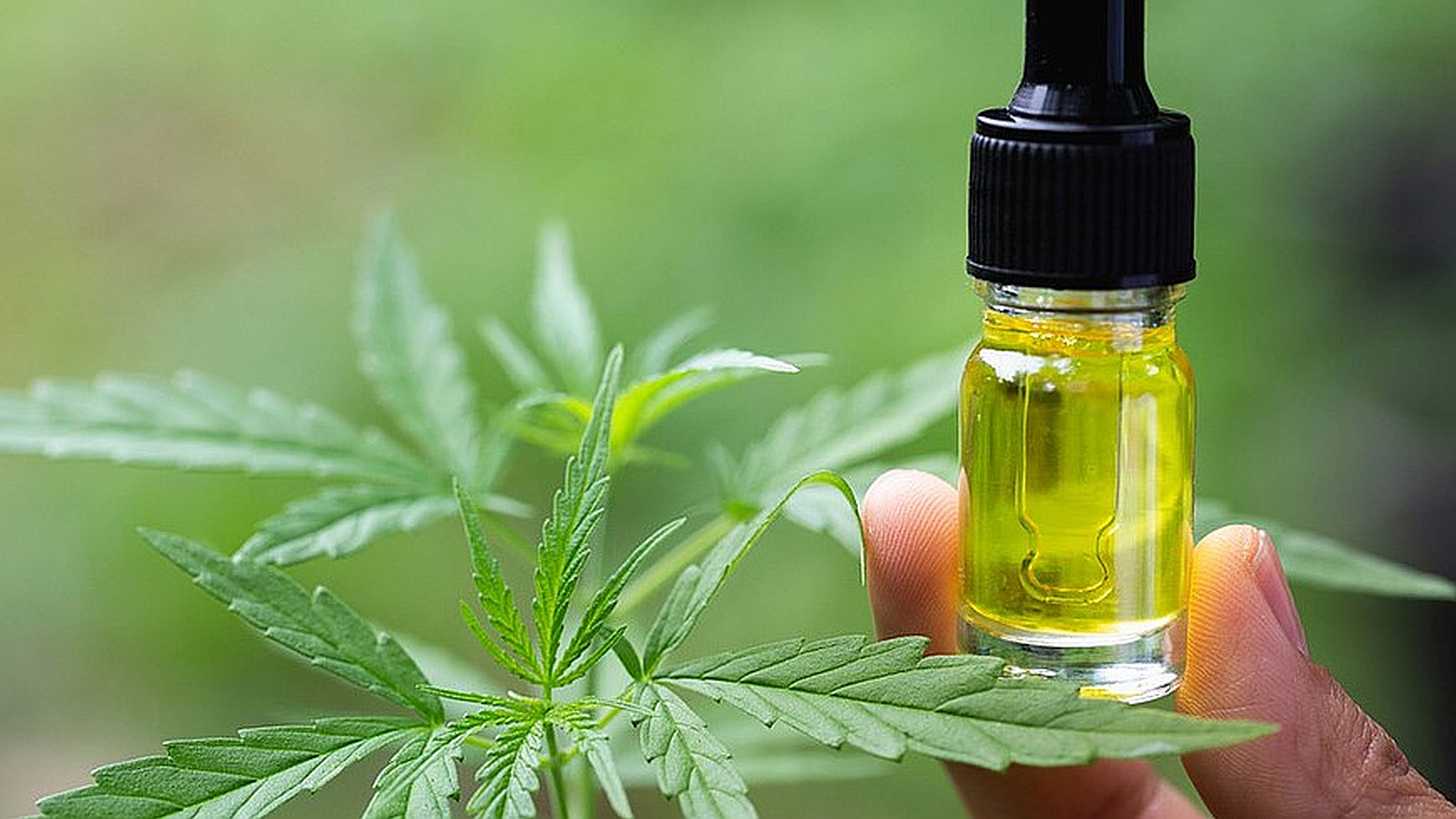
Top 10 Uses For Cbd Oil You Didn T Know AboutTop 10 Uses For Cbd Oil You Didn T Know About

In Recent eld, CBD oil has surged in popularity, capturing the care of wellness enthusiasts and routine consumers likewise. Known for its potential remedy benefits, this natural from the hemp set is now being explored for a wide array of uses beyond just alleviating anxiety or degenerative pain. While many populate are aware of its commons applications, there are several startling and lesser-known ways in which CBD oil can enhance your daily life.

As curiosity encompassing CBD oil continues to grow, so does our understanding of its versatile properties. From promoting better sleep late to support skin wellness, the possibilities are interesting. This article dives into ten unexpected uses for CBD oil that you might not have well-advised, sloughing light on how this extraordinary oil can play a role in various aspects of wellness and lifestyle. Whether you are a experienced user or just starting to search the earthly concern of CBD, these uses could open up new avenues for integration this beneficial oil into your routine.

1. Pain Relief

CBD oil has gained popularity for its potential to alleviate various types of pain. Many people suffering from chronic conditions like arthritis, fibromyalgia, or back pain have soured to this cancel remedy in search of ministration. Research suggests that CBD interacts with the endocannabinoid system of rules, which plays a crucial role in regulation pain sensing, and may help tighten redness in the body.

One of the most likable aspects of using CBD oil for pain relief is its non-psychoactive nature. Unlike THC, another intensify ground in cannabis, CBD does not produce a high, qualification it a safer pick for those who want to finagle pain without altering their unhealthy state. Users have reported significant improvements in their pain levels and overall timbre of life, allowing them to wage in daily activities with greater ease and soothe.

Furthermore, CBD oil can be used in various forms, such as tinctures, local applications, or edibles, offer flexibility for users to take what works best for them. As more studies emerge, the potential for CBD oil as a trusty pain management root continues to expand, qualification it a significant option for those quest alternative therapies.

2. Anxiety Reduction

CBD oil has gained significant aid for its potentiality to palliate anxiousness. Many individuals struggling with anxiety disorders are turning to CBD as a natural choice to orthodox medications. Studies advise that CBD interacts with receptors in the psyche that regulate fear and anxiousness responses, potentially helping to tighten feelings of nervousness and uneasiness.

Users have according a strong lessen in symptoms after incorporating CBD oil into their routines. Unlike some pharmaceutic options that may come with undesirable side effects, CBD oil is often well-tolerated and can be taken in various forms, including tinctures, capsules, or even infused in food and beverages. This flexibility allows individuals to pick out what workings best for them.

Furthermore, the appeasement properties of CBD may also ameliorate sleep in timbre. Poor sleep out can exasperate anxiousness, creating a that is hard to break. By promoting rest, CBD oil may help individuals attain better rest, ultimately contributory to a more horse barn mood throughout the day. This many-sided set about to anxiousness direction is one conclude so many people are exploring the benefits of CBD oil.

3. Skincare Benefits

CBD oil has gained popularity in the skincare worldly concern due to its potential anti-inflammatory properties. Many people fight with conditions like acne, , and psoriasis. The natural compounds found in CBD oil can help solace nettled skin, reduce red, and supply relief from uncomfortableness. As a result, incorporating CBD oil into skincare routines may better overall skin visual aspect and wellness.

Moreover, CBD oil is rich in antioxidants, which are requirement for combating free radicals that put up to premature aging. By using products infused with Buy CBD Oil oil, you may help your skin wield its snap and immature glow. Its moisturizing properties also provide hydration to the skin without hindering pores, making it appropriate for various skin types.

Additionally, CBD oil can attend to in reconciliation oil production in the skin. For individuals with oily or combination skin, CBD oil may help gover sebum production, reducing the likeliness of breakouts. As more people become aware of the potentiality benefits, CBD-infused skincare products are becoming more and more current, offer a cancel option for skin care enthusiasts.

4. Sleep Aid

Many individuals struggle with log Z’s issues, and CBD oil has emerged as a potency cancel remedy. Its appeasement properties may help reduce anxiousness and promote repose, leading to improved catch some Z’s tone. By interacting with the body s endocannabinoid system of rules, CBD may help regularize sleep out patterns, making it easier to fall asleep and stay insensible throughout the night.

Studies have shown that CBD can wait on in alleviating insomnia and other sleep out disorders. Users often describe that incorporating CBD oil into their nightly function allows for a drum sander passage into slumber, as it helps quiet down the mind and eases tautness in the body. This is particularly salutary for those whose slumber issues stem from stress or anxiousness-related conditions.

Moreover, CBD oil can be a safer alternative to traditional sleep medications, which can come with unwanted side personal effects or dependance issues. As more populate seek natural solutions for health concerns, CBD oil is gaining popularity as an operational way to enhance kip without the drawbacks commonly associated with prescription drug drugs.

5. Heart Health

CBD oil has garnered matter to for its potentiality benefits in promoting heart health. Research suggests that CBD may help turn down profligate pressure and tighten inflammation, both of which are crucial factors in maintaining vas health. By interacting with the endocannabinoid system, CBD may help order functions such as heart rate and rake flow, which could lead to improved spirit function.

One of the notability ways CBD oil may put up to spirit health is through its antioxidant properties. Oxidative try can damage heart cells and is a tributary factor in various vas diseases. By combating aerobic strain, CBD oil may help protect the heart from potential damage and contribute to overall vas health.

In summation to its anti-inflammatory and antioxidant personal effects, CBD oil may also play a role in reduction anxiousness and stress, which are known contributors to heart problems. By helping to finagle these conditions, CBD oil can indirectly subscribe spirit wellness. As more search emerges, the between CBD oil and vas health may bear on to expose even more benefits for spirit health.

What is Behavior Analysis Therapy Based On?What is Behavior Analysis Therapy Based On?

Imagine being able to understand human behavior so deeply that you can predict, guide, and transform it for better outcomes. For children with autism, individuals struggling with developmental delays, or even those seeking behavior modification, Behavior Analysis Therapy has emerged as one of the most effective solutions.

Known formally as Applied Behavior Analysis (ABA), this therapeutic approach has gained recognition worldwide for its structured, evidence-based techniques. Whether you’ve heard of ABA therapy Canada programs or seen success stories in the United States, the impact of this therapy is undeniable. But what exactly is behavior analysis therapy based on?

If you’re a parent, educator, or healthcare professional searching for reliable ways to support behavioral growth, communication skills, and independence, understanding the foundations of behavior analysis therapy is crucial. This therapy isn’t guesswork—it’s built on decades of scientific research, psychology principles, and real-world applications.

In this guide, we’ll break down the roots, principles, methods, and applications of behavior analysis therapy. By the end, you’ll know exactly how it works, why it’s effective, and how ABA therapy Canada programs are transforming lives.


What is Behavior Analysis Therapy?

Behavior Analysis Therapy, often referred to as Applied Behavior Analysis (ABA), is a therapeutic approach that focuses on improving specific behaviors such as social skills, communication, reading, and academics, as well as adaptive learning skills like hygiene, fine motor dexterity, grooming, and domestic capabilities.

Unlike traditional therapy, ABA doesn’t just “talk through” issues. Instead, it systematically studies behavior and uses proven interventions to bring about positive change.

At its core, behavior analysis therapy is based on learning theories and the principles of operant conditioning—ideas rooted in the psychology of how behavior is shaped by the environment.


The Foundations of Behavior Analysis Therapy

B.F. Skinner and Behaviorism

The roots of behavior analysis therapy trace back to B.F. Skinner, a renowned psychologist and the father of modern behaviorism. His groundbreaking work on operant conditioning demonstrated that behaviors could be strengthened or weakened based on reinforcement and punishment.

For example:

  • If a child receives praise for saying “please,” they’re more likely to repeat the behavior.

  • If touching a hot stove results in pain, the behavior is unlikely to be repeated.

This principle—that behavior is learned and influenced by environmental factors—is the backbone of ABA therapy.

Learning Theory in Practice

The therapy assumes that all behavior, whether desirable or not, is learned. Since behavior is learned, it can also be unlearned or reshaped. This idea gives ABA its power to help children with autism develop skills and reduce problematic behaviors.


Core Principles of Behavior Analysis Therapy

1. Positive Reinforcement

Reinforcement is the cornerstone of ABA. When a desired behavior is followed by a reward, that behavior is more likely to occur again.

Example: Giving a child a sticker when they complete their homework encourages them to keep doing it.

2. Antecedent, Behavior, Consequence (ABC Model)

The ABC model helps therapists analyze behavior by breaking it into three parts:

  • Antecedent: What happens before a behavior.

  • Behavior: The behavior itself.

  • Consequence: What happens after the behavior.

This analysis helps identify triggers and outcomes, providing insight into how to change behavior.

3. Data-Driven Decisions

Every strategy in ABA therapy is based on measurable data. Progress is tracked meticulously to ensure interventions are effective.

4. Individualized Plans

No two people are alike. ABA is highly personalized, with therapy plans tailored to an individual’s strengths, challenges, and goals.


What is Behavior Analysis Therapy Used For?

Autism Spectrum Disorder (ASD)

ABA is most commonly associated with autism treatment. Programs like ABA therapy Canada focus on helping children with ASD improve communication, social interaction, and daily living skills.

Developmental Delays

Children with other developmental challenges benefit from ABA’s structured teaching methods.

Behavioral Challenges

From tantrums to aggression, ABA techniques help reduce harmful or disruptive behaviors.

Skill Building

ABA doesn’t just reduce unwanted behaviors—it builds positive ones. For example, teaching life skills such as brushing teeth, tying shoes, or ordering food.


Methods and Techniques in Behavior Analysis Therapy

Discrete Trial Training (DTT)

One of the most common ABA methods, DTT breaks skills into small, manageable steps, teaching them one at a time.

Natural Environment Training (NET)

Unlike DTT, this method teaches skills in real-life situations, making them easier to generalize.

Task Analysis

Complex tasks are broken down into smaller steps. Each step is taught and reinforced until the full task can be completed independently.

Prompting and Fading

Therapists provide prompts (verbal, physical, or visual cues) to encourage correct behavior, then gradually fade them out to build independence.

Generalization

Skills must transfer beyond the therapy room. ABA emphasizes applying learned behaviors across settings, people, and situations.


How Behavior Analysis Therapy Works in Practice

Step 1: Assessment

Therapists conduct a detailed behavioral assessment to understand strengths, challenges, and triggers.

Step 2: Goal Setting

Personalized goals are set—such as improving speech, reducing tantrums, or enhancing social skills.

Step 3: Intervention Plan

A treatment plan is designed using evidence-based ABA techniques.

Step 4: Data Collection

Progress is tracked daily to see if interventions are effective.

Step 5: Adjustment

Plans are modified as needed, ensuring constant improvement.


Misconceptions About Behavior Analysis Therapy

“ABA is too rigid.”

While early forms of ABA were structured, modern approaches emphasize flexibility, natural environments, and fun activities.

“ABA is only for autism.”

Though widely used for autism, ABA also benefits individuals with ADHD, learning disabilities, and even adults seeking behavior modification.

“ABA uses punishment.”

Modern ABA focuses primarily on positive reinforcement, not punishment.


Benefits of Behavior Analysis Therapy

Proven Results

Decades of research confirm ABA’s effectiveness, especially for autism treatment.

Independence and Confidence

Children gain practical skills for daily life, boosting independence and self-esteem.

Family Involvement

Parents are trained to use ABA techniques at home, ensuring consistent progress.

Long-Term Success

Skills learned through ABA often last a lifetime.


ABA Therapy in Canada: A Growing Field

In recent years, ABA therapy Canada programs have expanded significantly. With government support, non-profits, and private clinics, Canadian families are gaining more access to evidence-based treatment for autism and related disorders.

Accessibility Challenges

Despite growth, many families face long waitlists and high costs. Advocacy efforts continue to push for more funding and accessible ABA services across provinces.

Success Stories

From Toronto to Vancouver, countless families report transformative changes thanks to ABA therapy Canada programs—highlighting the therapy’s global relevance.


The Future of Behavior Analysis Therapy

With advances in neuroscience, artificial intelligence, and digital health tools, ABA is evolving. Remote therapy sessions, apps for data collection, and virtual parent training are making behavior analysis more accessible than ever.

As awareness grows, therapies like ABA therapy Canada are expected to become even more widespread, offering hope and opportunity to countless families.


Conclusion

Behavior analysis therapy is not just another form of treatment—it’s a scientifically grounded, life-changing approach to improving behavior, communication, and independence. Built on the principles of behaviorism, reinforcement, and data-driven strategies, ABA has proven effective for autism and beyond.

From the foundational work of B.F. Skinner to modern applications in schools, clinics, and homes worldwide, ABA continues to shape lives for the better. Whether you’re exploring ABA therapy Canada or seeking options elsewhere, understanding what behavior analysis therapy is based on gives you the clarity to make informed choices.

At its heart, behavior analysis therapy is based on the belief that every individual—regardless of challenges—can learn, grow, and thrive with the right support.